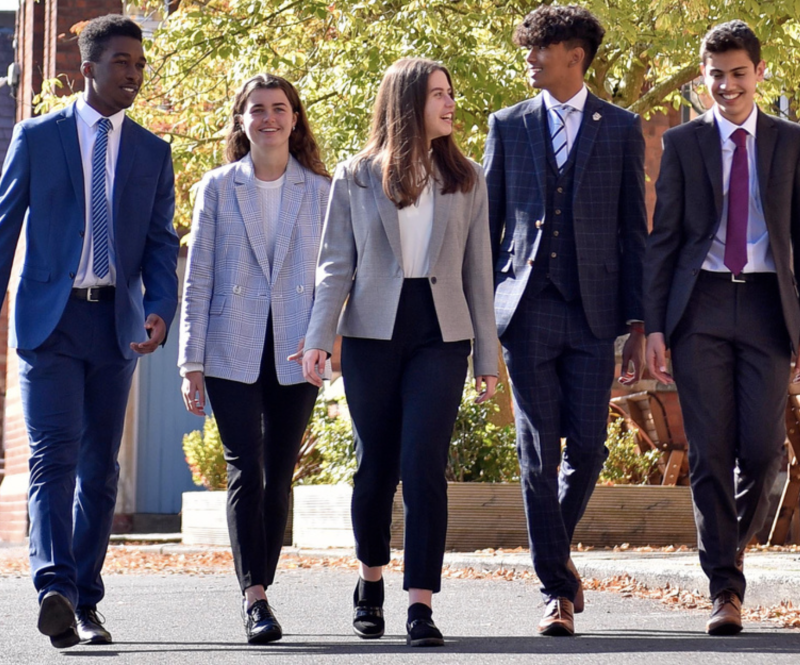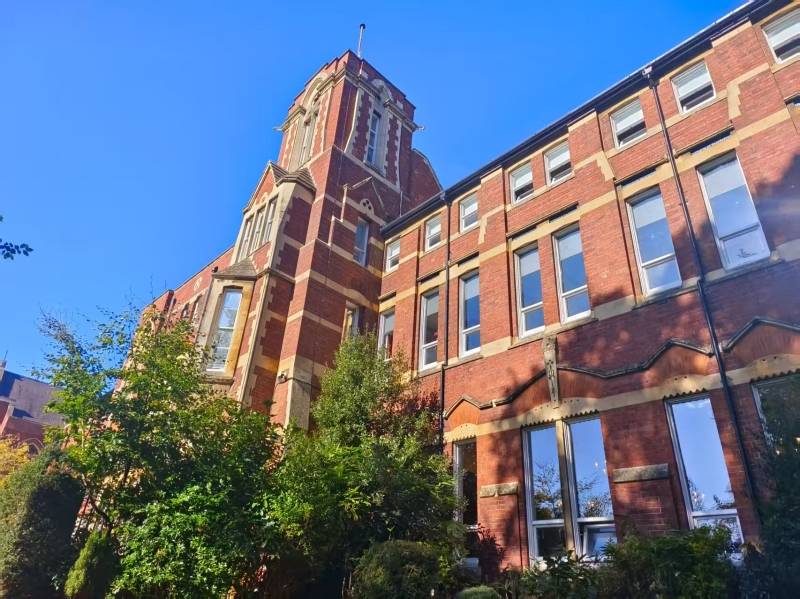


Why do families prefer primary, secondary and high school education in the UK?
For international families, the main purpose of school education in the UK is clear:
to ensure that their child learns English at a strong level, obtains an internationally recognised qualification, and builds a solid academic background for applying to universities abroad.
In England, the education system is structured according to age groups. This structure allows families to plan the process in advance and manage their children's education journey more effectively.
How does the primary, secondary and high school system work in the UK?
In England, the school system consists of the following stages:
-
Primary School: ages 5–11
-
Secondary School: ages 11–16
-
Sixth Form: ages 16–18
Between the ages of 14 and 16, students prepare for the GCSE programme.
Between the ages of 16 and 18, the A Level programme is followed for university entry.
This structure aims to distribute the academic workload appropriately based on students’ ages.
Which school model is more suitable for international students?
For students coming from abroad to the UK, private schools, especially boarding schools, are generally considered more suitable options.
The main reasons are:
-
Students live within the school campus
-
Lessons, study hours, and daily life are regularly supervised
-
Academic and pastoral support is provided by the school
State schools, on the other hand, are primarily designed for families resident in the UK and offer limited opportunities for international students.
How much budget should families plan for UK school education?
Primary and Secondary Education
Private day schools:
-
Annual tuition fees: £12,000 – £20,000
Private boarding schools:
-
Total annual cost: £28,000 – £45,000
-
This fee usually includes:
-
Accommodation
-
Meals
-
Supervised study hours
-
Basic student support
-
High School – GCSE & A Level (Sixth Form)
Private boarding high schools:
-
Total annual cost: £30,000 – £50,000
These figures may vary depending on the school’s location, academic standards, and student support services.
Additional costs (average ranges)
-
Application and registration fees: £100 – £300
-
Deposit (generally refundable): £1,000 – £3,000
-
Visa and official procedures: £500 – £1,000
-
Pocket money: £150 – £300 per month
-
Flight tickets: Vary depending on season and travel frequency
Is education in the UK worth the cost?
School fees in the UK are comparable to those of upper-segment private schools in many other countries.
However, in the UK:
-
The language of instruction is English
-
Diplomas are internationally recognised
-
Students have access to a wider range of university options
For this reason, many families view this process as a long-term educational investment.
How does Candelas Education support families?
Candelas Education:
-
Identifies the most suitable school type based on the student’s age and academic background
-
Eliminates unnecessary costs according to the family’s budget
-
Manages the application and admission process transparently
-
Keeps families regularly informed at every stage
Sources
- GOV.UK – The National Curriculum
- GOV.UK – School admissions applications from overseas children
- UCAS – A Levels
- UK ENIC – UK education systems
- Boarding Schools’ Association
Let us plan the right school and budget for your child’s education in the UK together. Contact Candelas Education.
Telephone: +90 312 431 78 96
Mobile & WhatsApp: + 90 505 287 30 20
E-mail: info@candelasegitim.com



Do you know that you can receive all our educations online from anywhere?
Request Info
Related Articles

Primary, Secondary and High School Education in the UK
The UK offers globally recognised education, safe school environments and outstanding boarding systems that support strong academic and personal growth.

Tettenhall College, Primary, Secondary and Sixth Form Education in the UK
The UK offers globally recognised education, safe school environments and outstanding boarding systems that support strong academic and personal growth.